

The complete guide
Choosing and using a bike work stand
Why a stand changes the job
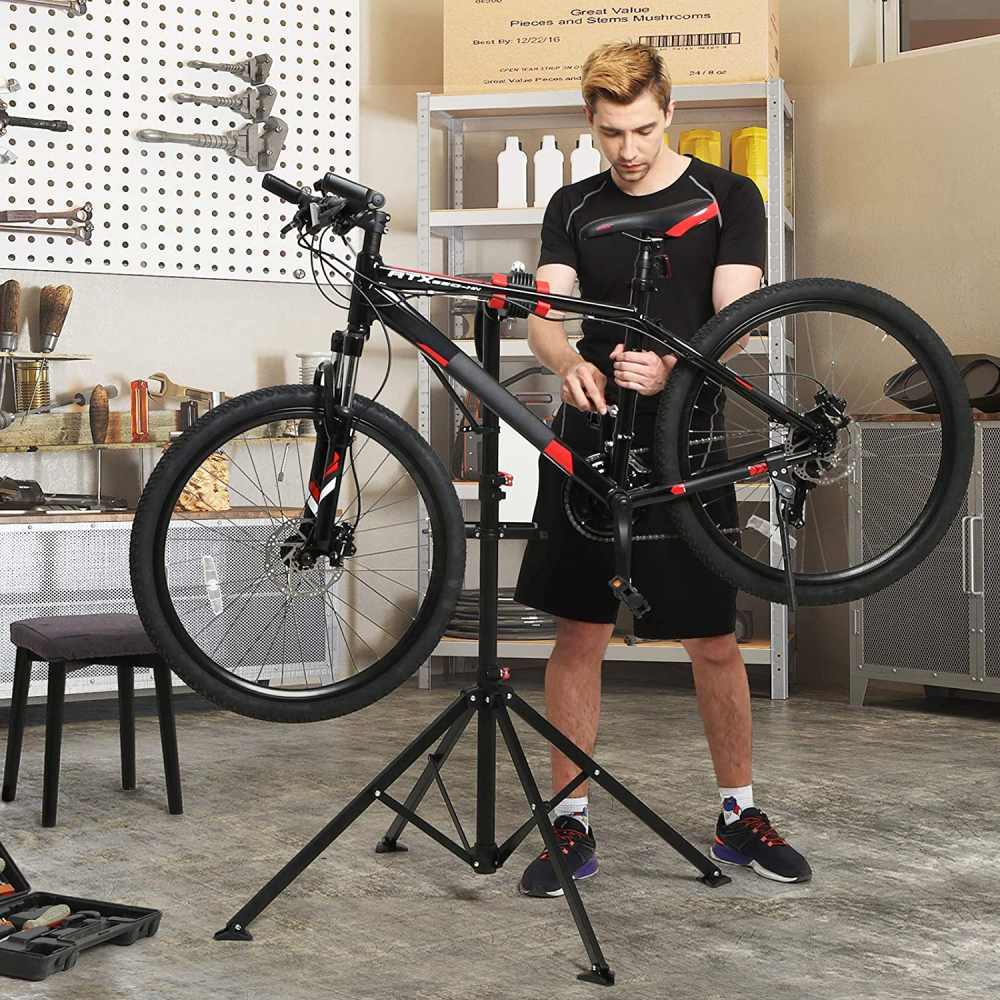
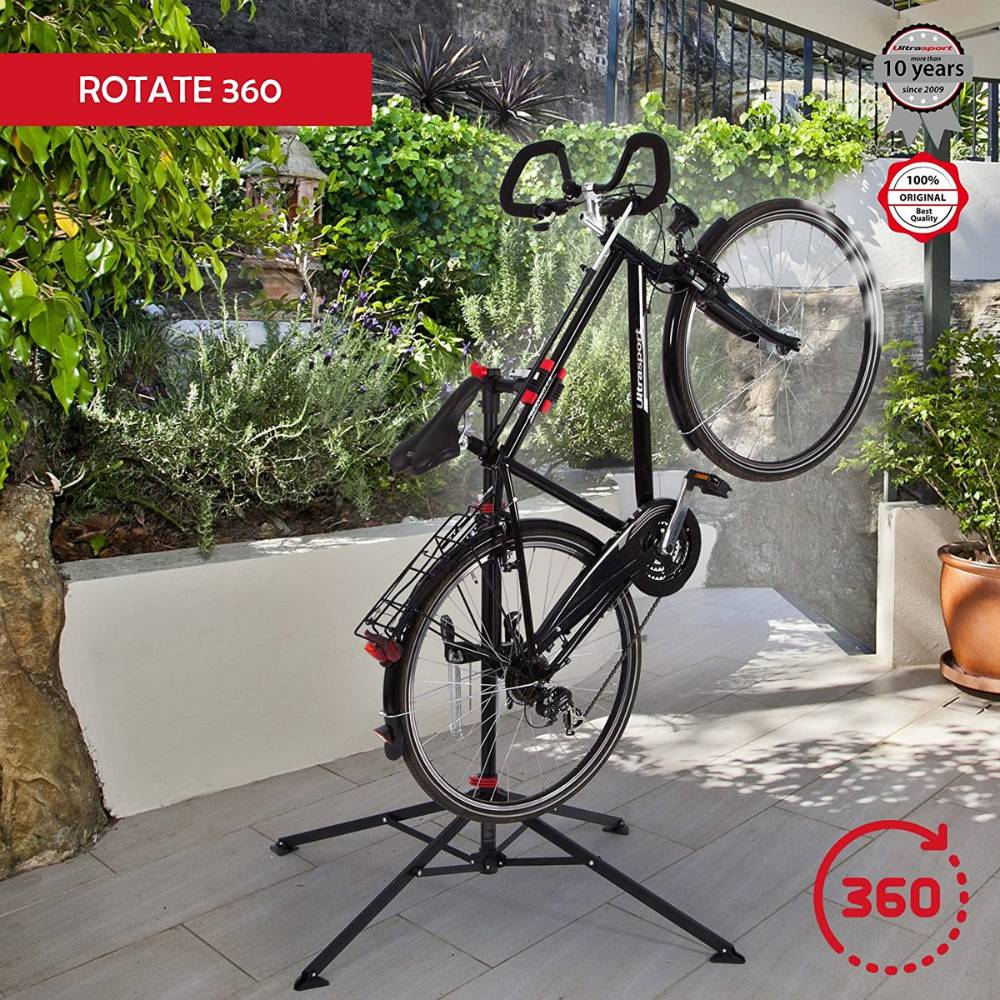
Two jobs make the case on their own. Indexing gears needs the cranks turning and the rear wheel spinning freely, so you can hear and see each shift. Bleeding brakes needs the bike held still, often at an angle, while you work at both ends of a hose. Neither is possible with the bike on the ground.
Turning a bike upside down onto its saddle is the usual workaround. It marks the saddle, it puts weight on the shifters, and it leaves the bars and the drivetrain at the wrong height.
Where to clamp
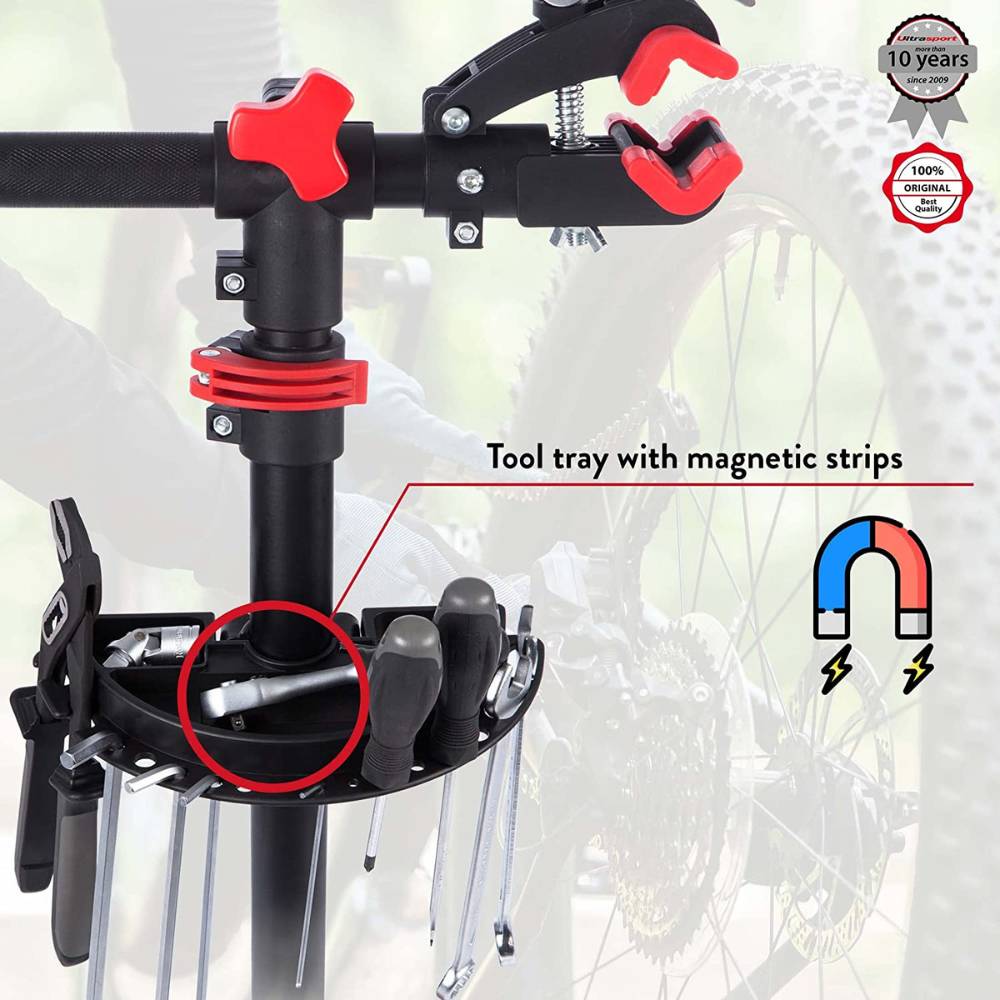
Clamp the seatpost. It is a round tube meant to be gripped, it keeps the clamp off your frame finish, and it puts the bike at a sensible balance point.
Never clamp a carbon or aero-profile tube directly. Those sections are engineered for riding loads, not for a clamp squeezing inward, and they can be crushed without any warning. If your bike has a carbon post, fit a cheap alloy or dummy post for workshop use.
Folding stand or bench mount
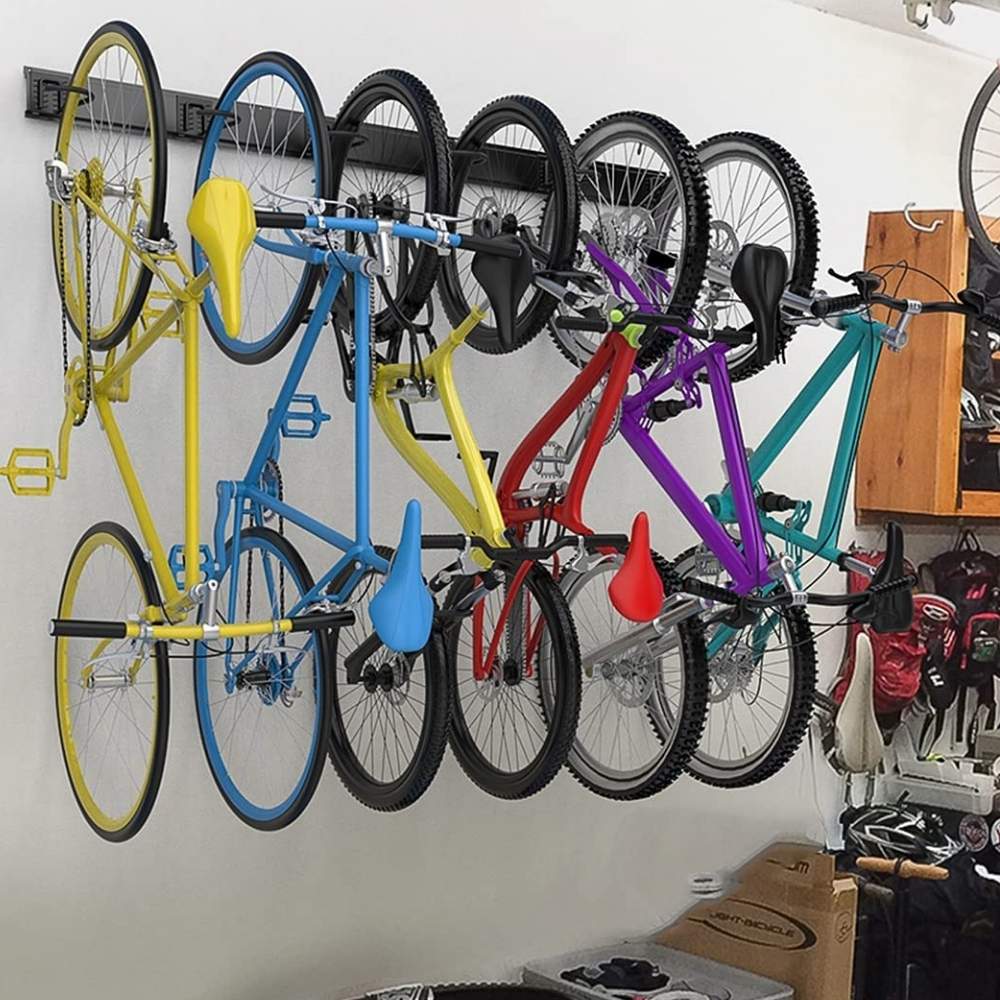
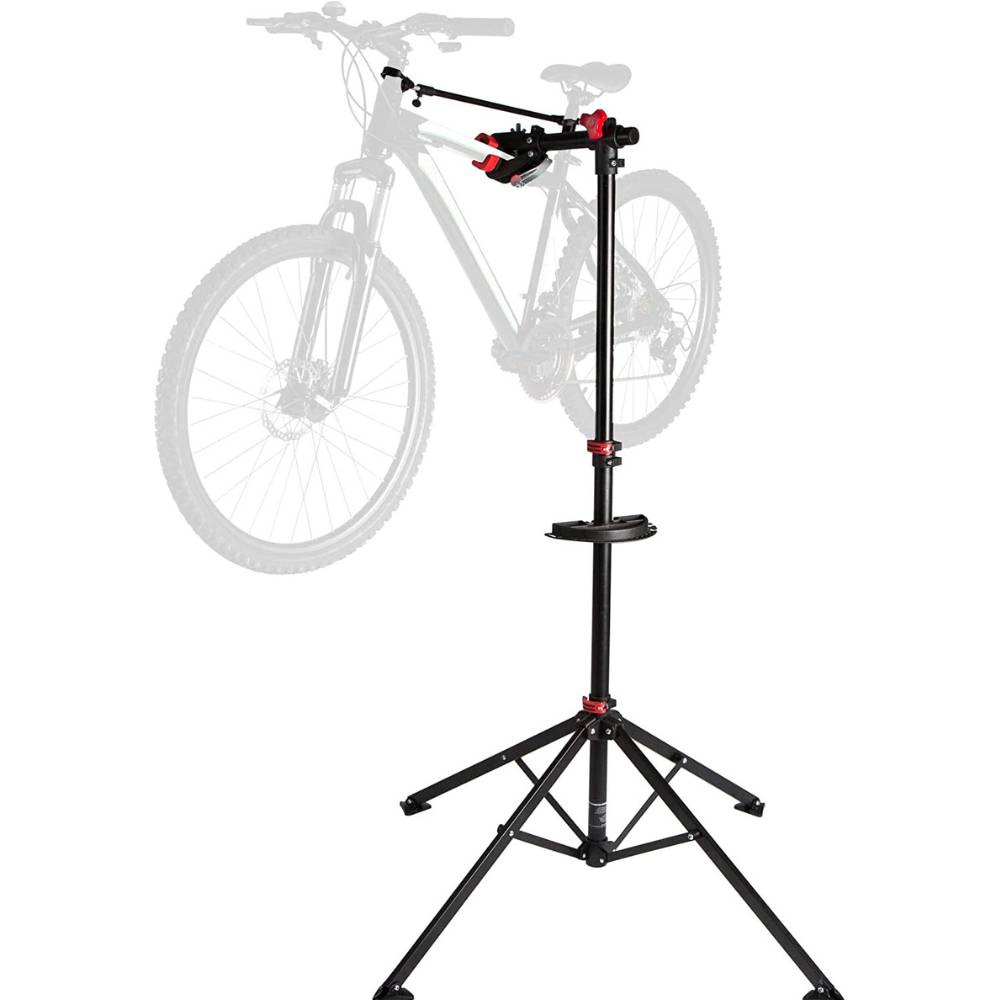
A folding stand moves. It comes to a race, goes in a car boot and stores behind a door, and it needs no permanent home. A bench mount is bolted to a bench and is noticeably more rigid, which you feel the moment you lean on something seized.
If you have a bench you are willing to commit, the mount is the better tool. If you do not, or the workspace is shared, the folding stand is the one you will actually use.
Weight, and being honest about e-bikes
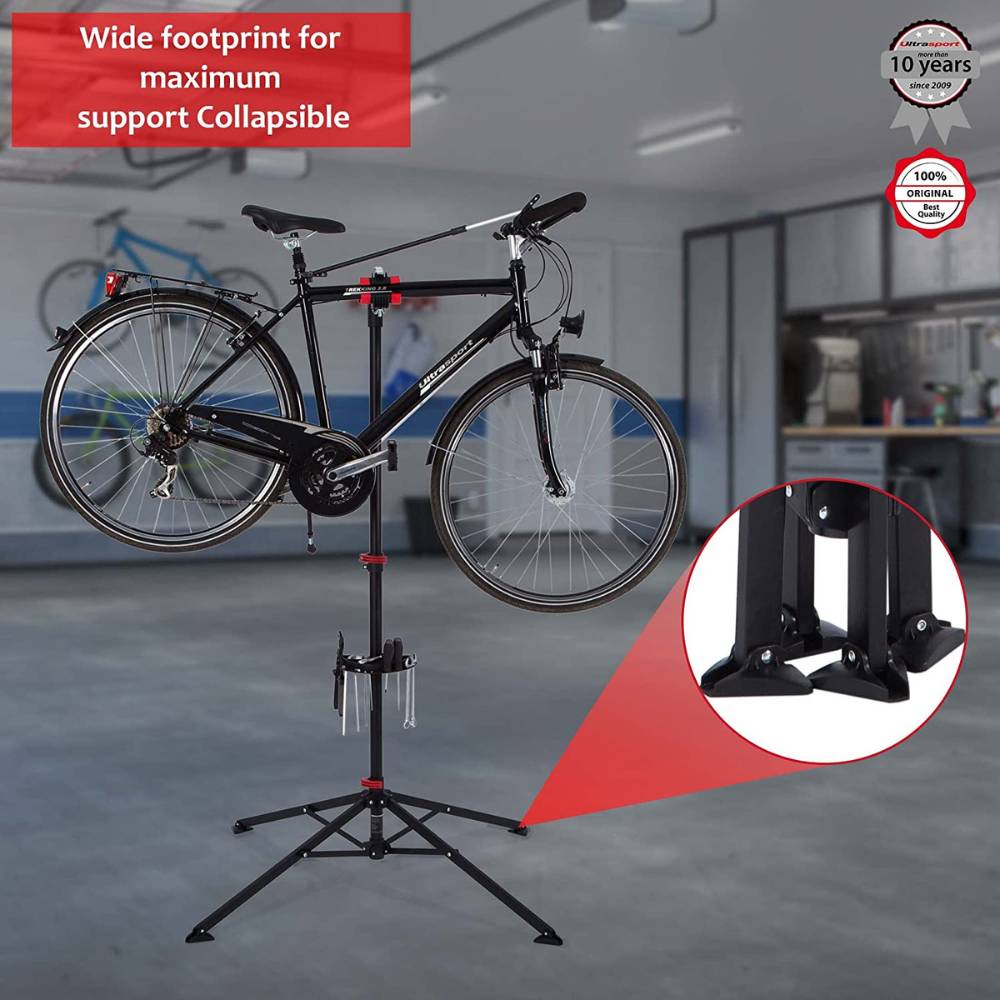
This stand is rated to 30 kg. A road bike is typically 8 to 10 kg and a mountain bike 12 to 16 kg, so both sit comfortably inside that.
E-bikes are the exception and it is worth being blunt about it. Many are 22 to 30 kg, which puts them at or past the limit. Weigh yours, or check the manufacturer's figure, before you order.